
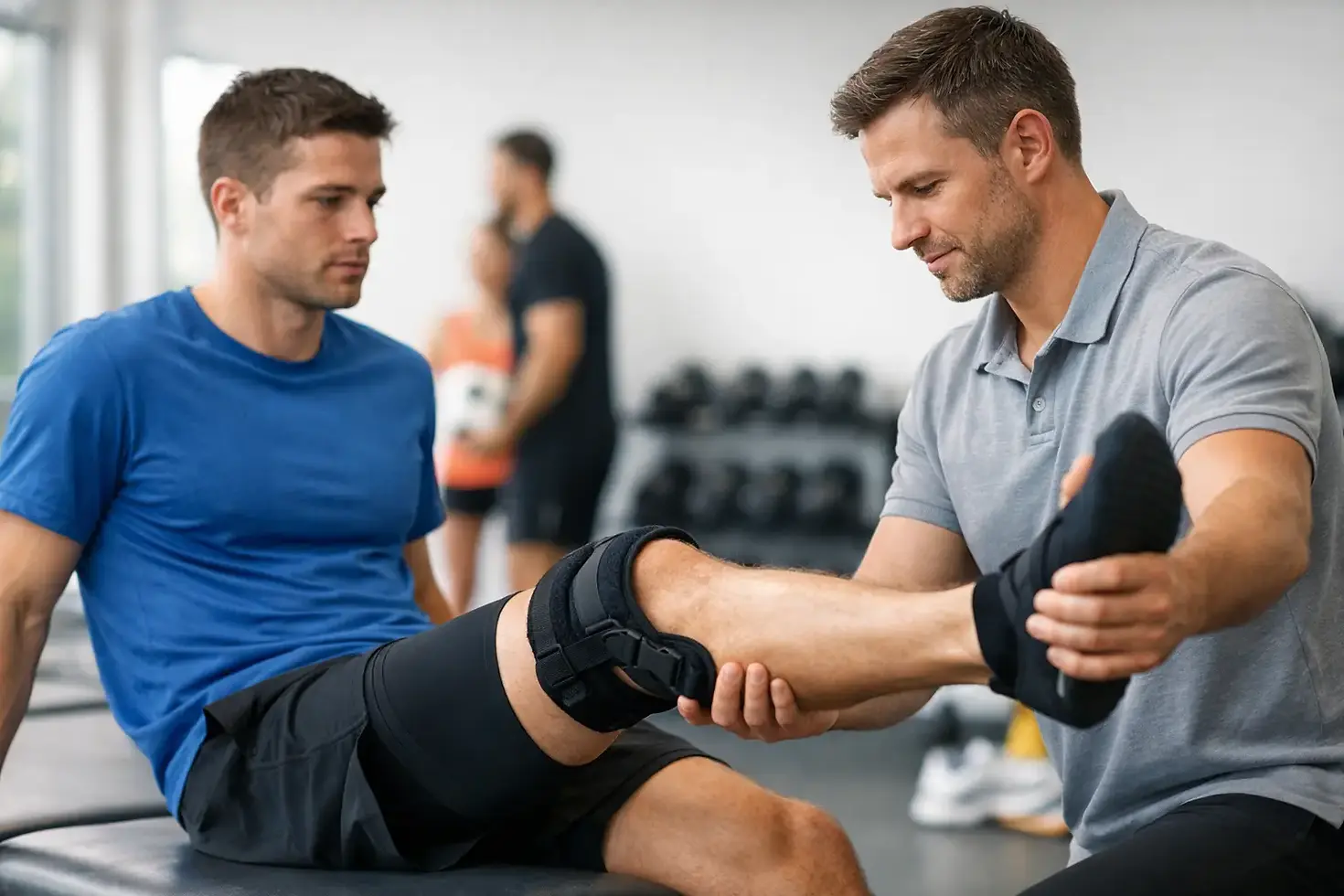
Sports Physiotherapy for a Safer Return
A pulled hamstring on the final sprint, a shoulder that aches after tennis, or a knee that never quite settled after a twist can quickly take the enjoyment out of being active. Sports physiotherapy is not simply about treating the painful area. It is about understanding why the injury happened, what your sport or activity demands of you, and what needs to change for a confident, sustainable return.
For some people, the goal is getting back to a Saturday football match. For others, it is completing a gym session, running without pain, walking the dog comfortably or returning to a physically demanding job. Your recovery plan should reflect that goal, not follow a one-size-fits-all timetable.
What sports physiotherapy can help with
Sports injuries range from sudden incidents to problems that build gradually over weeks or months. A fall, collision, awkward landing or rapid change of direction may cause an acute injury. Repeated loading, poor recovery, changes in training volume or reduced strength can contribute to persistent pain and overuse problems.
Sports physiotherapy can support recovery from muscle strains, ligament sprains, tendon pain, joint injuries, back and neck pain, shoulder problems, hip and groin pain, and running-related symptoms. It can also be valuable after an operation, when carefully progressed rehabilitation is needed to restore movement, strength and control.
Pain is an important signal, but it does not tell the whole story. Two people with similar scan results or diagnoses may need very different treatment because their activity levels, movement patterns, confidence and targets are different. A recreational runner training for a half marathon needs a different plan from a warehouse worker with a painful knee, even if both have the same underlying issue.
The first appointment should look beyond the injury
A thorough assessment is the starting point for effective rehabilitation. Your physiotherapist will ask how the problem began, what makes it better or worse, how it affects daily life and what you want to return to. They will also look at relevant movement, strength, flexibility, balance and control.
This process helps identify the factors that may be maintaining the problem. It might be reduced hip strength affecting knee loading, a sudden increase in running distance, limited shoulder movement after a fall, or simply trying to return to full intensity before the body is ready.
The aim is not to blame you for your injury. It is to make practical sense of it. Once the likely drivers are clearer, your physiotherapist can explain what is happening in straightforward terms and agree a plan that fits your starting point.
Why a diagnosis alone is not the full answer
Labels can be useful, particularly when they guide treatment or indicate when further medical investigation is needed. However, recovery is rarely achieved by a diagnosis alone. Progress depends on how well the injured area tolerates movement and load, as well as your ability to rebuild the skills required by your activity.
That is why a personalised programme matters. Rest may help in the very early stages of some injuries, but too much rest can lead to loss of strength, stiffness and reduced confidence. Equally, pushing through significant pain or returning too quickly can prolong symptoms. The right balance depends on the injury, your current capacity and the demands ahead.
Treatment is hands-on, active and tailored to you
At Physio Rehab Clinic, treatment is built around one-to-one care and measurable progress. Manual therapy may be used to ease pain, reduce stiffness and help you move more comfortably. This can include joint mobilisation, soft tissue techniques or other hands-on approaches where appropriate.
Manual therapy is often helpful, but it is usually one part of the plan rather than the whole solution. Lasting recovery normally requires active rehabilitation. Your exercise programme may begin with gentle mobility work or simple muscle activation, then progress towards strength, balance, endurance, coordination and sport-specific movement.
For example, someone recovering from an ankle sprain may first need to regain comfortable walking and ankle movement. Later, they may work on calf strength, single-leg balance, landing control and changes of direction before returning to court sport or football. A runner with Achilles tendon pain may need a gradual strengthening plan alongside adjustments to pace, hills, distance and recovery days.
The exercises should be realistic enough to complete consistently. A perfect programme that does not fit around work, family and training commitments is unlikely to deliver the result you want. Your physiotherapist can help you focus on the few actions that will make the most difference.
Returning to sport is more than being pain-free
Pain settling is encouraging, but it is not always a green light to resume full sport immediately. You may feel comfortable in everyday life while still lacking the strength, control or stamina needed for sprinting, lifting, jumping, tackling or repeated overhead movement.
A safer return is usually gradual. It may involve moving from basic exercises to training drills, then modified practice, and finally full participation. The pace will vary. A minor muscle strain may settle relatively quickly, while tendon problems, ligament injuries and post-operative rehabilitation often need longer-term progression.
Your physiotherapist will consider more than the calendar. Useful markers include whether you can complete key movements with good control, how the area responds during and after exercise, whether strength is improving, and whether you are ready for the physical and psychological demands of your activity.
Confidence deserves attention too. It is common to feel hesitant after an injury, especially if it happened suddenly or has recurred before. Rehearsing movements in stages can help rebuild trust in your body. The goal is not reckless reassurance. It is evidence from your own progress that you can tolerate more.
Common mistakes that can delay recovery
Many active people make understandable choices when pain interrupts their routine. They stop all activity because they are worried about making things worse, or they return at full intensity as soon as symptoms improve. Neither approach is always right.
Another common issue is changing too many things at once. New trainers, a tougher training plan, extra gym sessions and less sleep can combine to overload the body, even when each change seems manageable on its own. A clearer approach is to adjust one or two factors, monitor your response and progress steadily.
It can also be tempting to rely on temporary relief alone. Massage, taping or pain medication may have a place, but they do not automatically address the movement or loading factors behind a recurring problem. Ask what you can actively do between appointments to support recovery.
When to seek professional advice
It is sensible to arrange an assessment when pain is stopping you from training, affecting work or daily activities, returning repeatedly, or failing to improve as expected. Early advice can be particularly useful when you are unsure how much activity is safe, have an event planned, or need a structured route back after surgery.
Some symptoms need urgent medical assessment rather than routine physiotherapy. Seek immediate advice for severe pain after significant trauma, a visibly deformed joint, inability to bear weight after an injury, sudden weakness, loss of sensation, or symptoms such as chest pain, breathlessness or unexplained swelling. If in doubt, seek medical guidance promptly.
Build a return that lasts
The best rehabilitation plan should leave you with more than short-term pain relief. It should help you understand your injury, know how to progress your activity and recognise when your body needs a change of pace. That knowledge can reduce the risk of repeating the same cycle when training becomes busy again.
Whether your target is a local race, a return to the gym or simply moving through the day without thinking about pain, progress starts with an honest assessment and a plan built around you. A good recovery does not rush the finish line - it gives you the strength and confidence to keep doing the things you love.



Comments